02 May Women Changing Course: What Happens When You Decide Not to Stay Where You Are
Written by Prabjit Chohan-Patel
Many of us have experienced a professional watershed moment that didn’t look obvious from the outside but that changed everything. It’s not always dramatic. Often it’s quieter; a growing sense that something no longer fits, a role that looks right on paper but doesn’t feel in sync with how you feel internally.
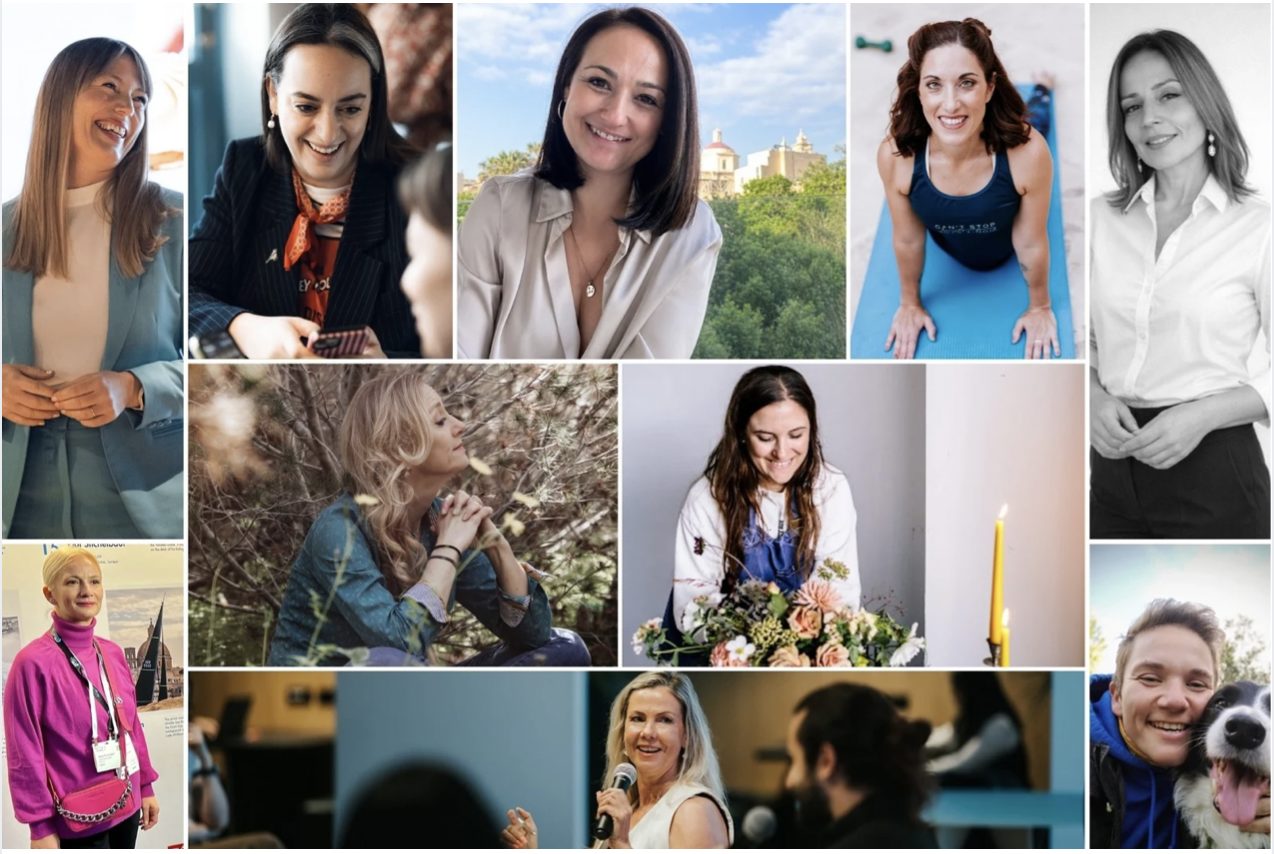
Across the SHE community, a number of women have made the decision to step away from the familiar into something else entirely; different industries, different paths, different motivations. Beneath the surface, their experiences share more in common than you might expect. We spoke to ten SHE Malta entrepreneurs to find out their unique stories about changing career paths.
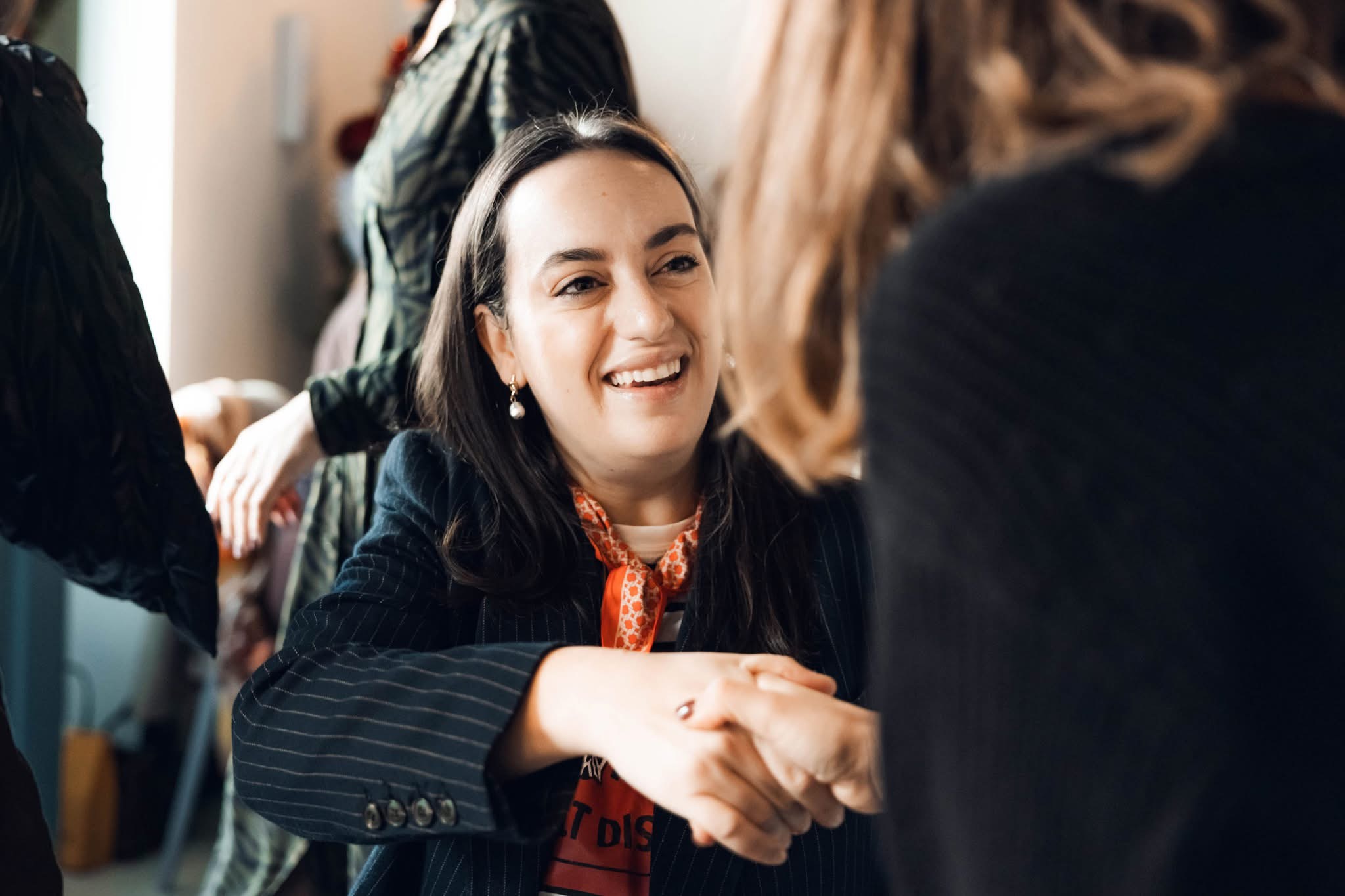
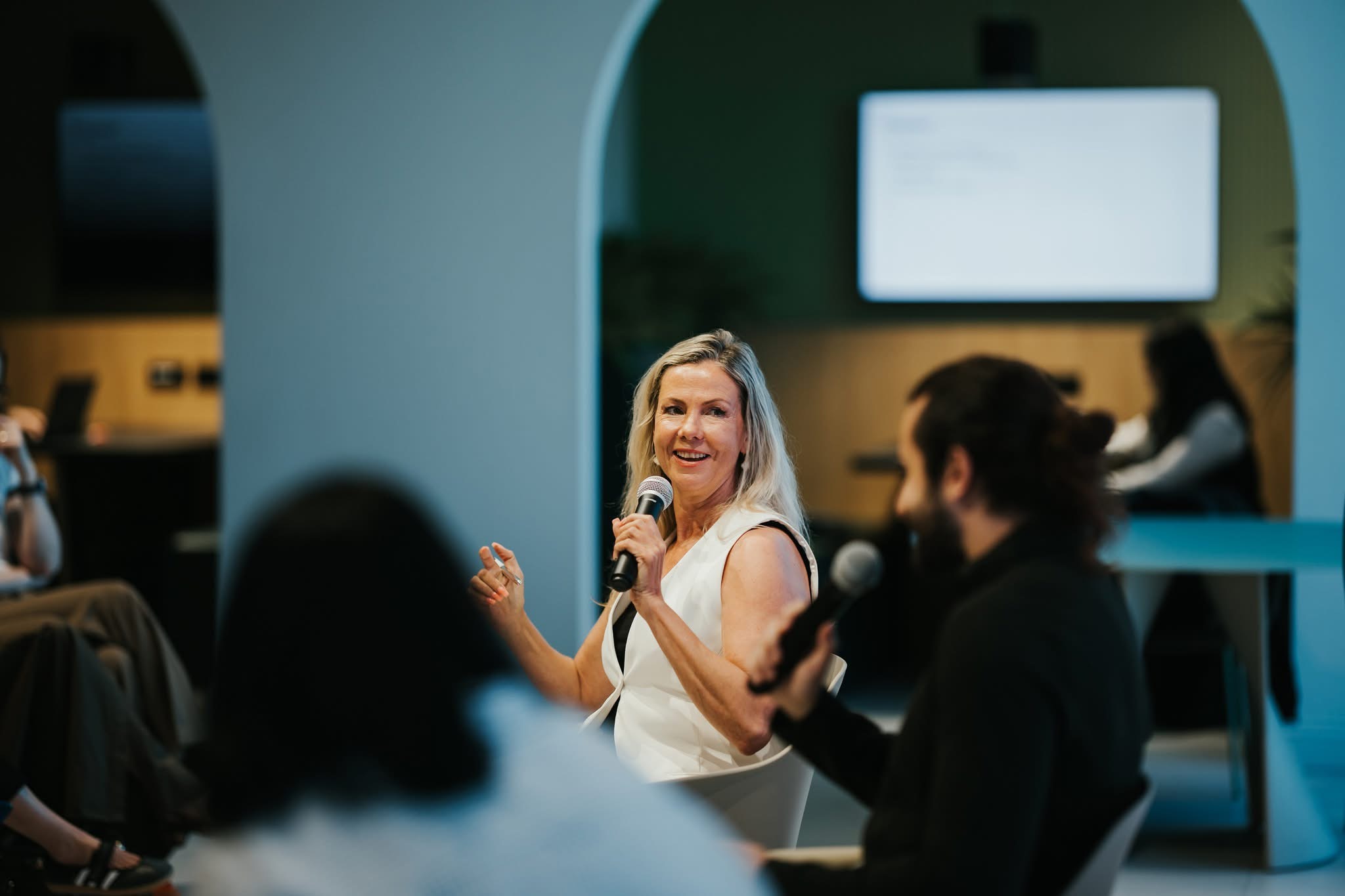
Left: Vivenne Bajada (Co-Founder, Creative Director at The Blooming Bunch) Right: Helen Chorley (Investor & Advisor)
The moment something shifted
For some, the turning point was gradual. A pull towards something more creative, as in the case of Vivienne Bajada who transitioned from public policy to co-founding a floral artistry business, The Blooming Bunch. The now Creative Director describes a desire “to work on something multifaceted, a path that allowed continuous learning alongside hands-on implementation.” Kenzie Sammut, who moved from finance to fitness realised she was “captivated by people, connection and tangible support” in any role she had. The energy and connection of a fitness class ultimately led to her move.
Sephora Zammit, formerly a chef and now a health coach, experienced a personal health transformation that made her reevaluate her own purpose. For others, it was clear cut. After more than a decade, weathering the intensity of JP Morgan’s investment banking trading floor, Helen Chorley reached breaking point. “Burnout forced me to stop and question a life that looked successful but didn’t feel like mine. I rebuilt my life around freedom, impact, and backing people and ideas I genuinely believe in, in a way that’s actually sustainable.” Nickii Mallia has worked in footwear retail, jewellery retail and IT and now pivoted to co-founding Malta’s first paint-splatting experience SPLAT! The pressure of commercial targets, intense travel and time away from loved ones led to anxiety and a search for a different way to work and live. “I wasn’t liking the person I was becoming. I had limited support and a heavy workload,” she candidly reveals.
Sometimes, life itself intervenes. Pavla Borg moved from banking to breathwork and mindset coaching and recalls a period marked by serious family illness and long commutes depriving her of family time. “I enjoyed my work, but I didn’t enjoy my life… so I chose to change it, even without knowing what I was stepping into.”
For Deea Buzdugan, the first shift from seven years as a lawyer to becoming a fashion designer was driven by a passion for haute couture. But the second, into fashion photography, was more pragmatic, dictated by the economic reality of mass production taking over the fashion market and overshadowing bespoke craftsmanship. Moving into the photographic side allowed her to remain in the same domain and continue to be creative.
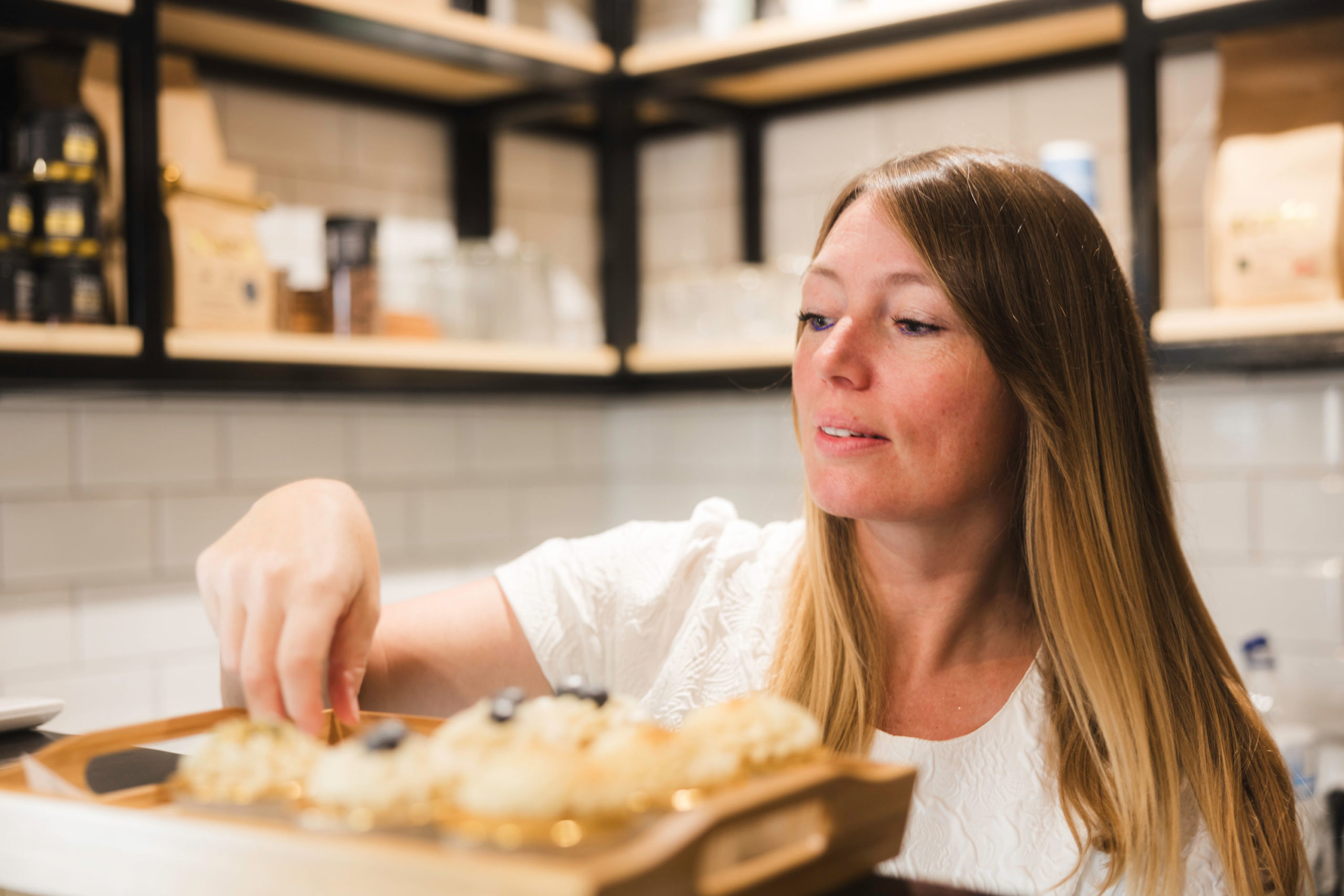
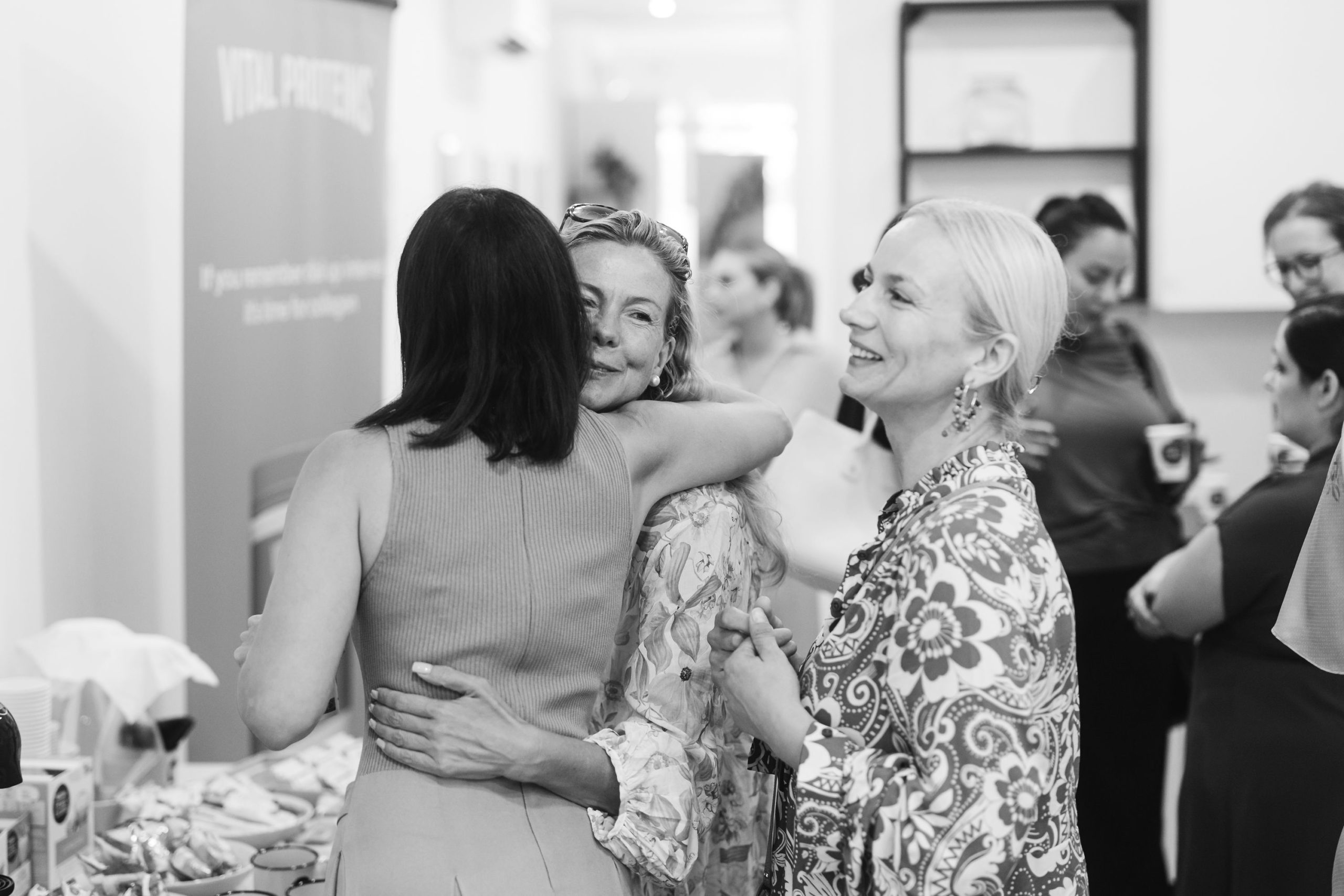
Left: Mette Lorenzen (Founder at Mettelina Gourmet Cupcakes, Coffee & Champagne) Right: Deea Buzdugan (Visual Storyteller)
The uncertainty no one talks about
Almost everyone mentioned having to let go of one’s identity.
“I had to release myself from the label of chef and not fear calling myself a health coach,” says Sephora. Mette Lorenzen, who moved from a senior leadership role in iGaming to founding Mettelina, a cupcakes and champagne café, describes the feeling of losing what had become closely interlinked with who she was. Helen echoes that in banking, she knew exactly who she was and how she was measured. “Stepping into a world where the rules weren’t written meant trusting myself in a completely different way.”
Pavla had worked hard and achieved two degrees, amidst raising children, to reach her position at the Central Bank. “So walking away felt like throwing all that away and losing a clear identity.” Her uncertainty was layered. “Starting again at 44 with no roadmap and going back to school was a huge step, especially as I moved into a field that was new and often misunderstood.”
Proving oneself all over again, perception by others in the industry, securing clients in competitive industries, getting one’s message out there and reaching people… These are just some of the women’s ‘2am worries’. Kenzie raises the impact of a new career and entrepreneurship on family life, while Nickii wondered if the transition would make her happy or fill her with regret.
Vivienne worried about her lack of formal business knowledge and harboured a lingering fear of failure and imposter syndrome. Her Blooming Bunch co-founder, Stephanie Portelli, says “I already knew what the job entailed physically, but not mentally. Managing a business full time requires significant patience, resilience, courage and belief that what you’re doing matters.”

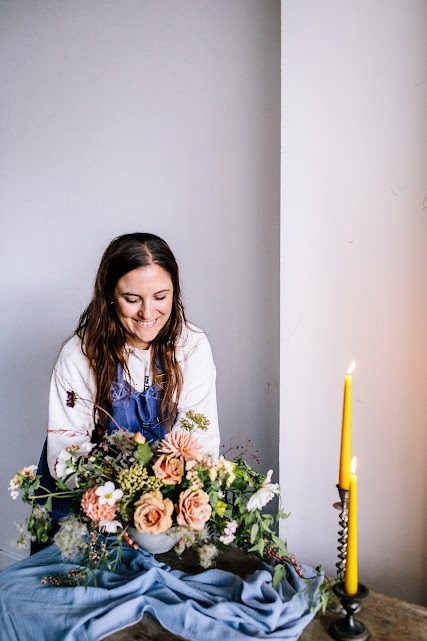
Left: Pavla Borg (My Heroic Wellness, Mindset Coach & Breathwork Specialist) Right: Stephanie Portelli (Co-Founder & Creative Director at The Blooming Bunch)
What they had to unlearn
If career paths were simply about adding new skills, these shifts would be easier and linear. Instead, many spoke about what they had to unlearn. including the need for control.
Vivienne had to let go of expecting a steady routine, consistent rest and even for productivity to be directly proportional to revenue. Her partner Stephanie echoes the concept of having to accept that the rules had changed: “there are no weekends or workdays.”
Helen used to believe that “success only comes from certainty, control, and having all the answers ànd that rest is for wimps. I had to unlearn playing it safe and start making decisions based on intuition as much as data.” Nickii reflects that structure and precision were everything in her previous roles. So she had to unlearn “the idea that everything needs to be fully figured out before you begin.”
Meanwhile, as a corporate leader, Mette established vision, strategy, and internal culture. Launching Mettelina, she assumed her strengths were mainly relevant for building teams but soon learned that entrepreneurship is also leadership (the difference being self-reliance and having to perform all the necessary roles). “Instead of having to unlearn, I felt it was more about relearning what I knew from a different perspective.”
Pavla describes a similar shift from “predicting outcomes” to “working with what shows up in the moment which requires presence rather than control. In finance there is safety in numbers, models and forecasts but in this work there is no such certainty and I had to learn to trust myself.”
Letting go of the need for everything to make sense is suggested by Claire Galea, a property consultant at Elite Real Estate, who previously worked in telecoms sales, event planning and even as a professional singer: “I had to learn to always believe in myself and trust my journey. If I love what I do and keep learning, it will always be worth it.” For Sephora, the unlearning was internal: “negative self-talk and not believing that I can do it.”
Others had to let go of deeply ingrained beliefs such as the idea “you must follow a single, linear path” or that “not following the classical model is a failure,” says Deea. Kenzie mentions having to explore herself in depth, “breaking down and unlearning the standard ways of being, of living, of delivering.”
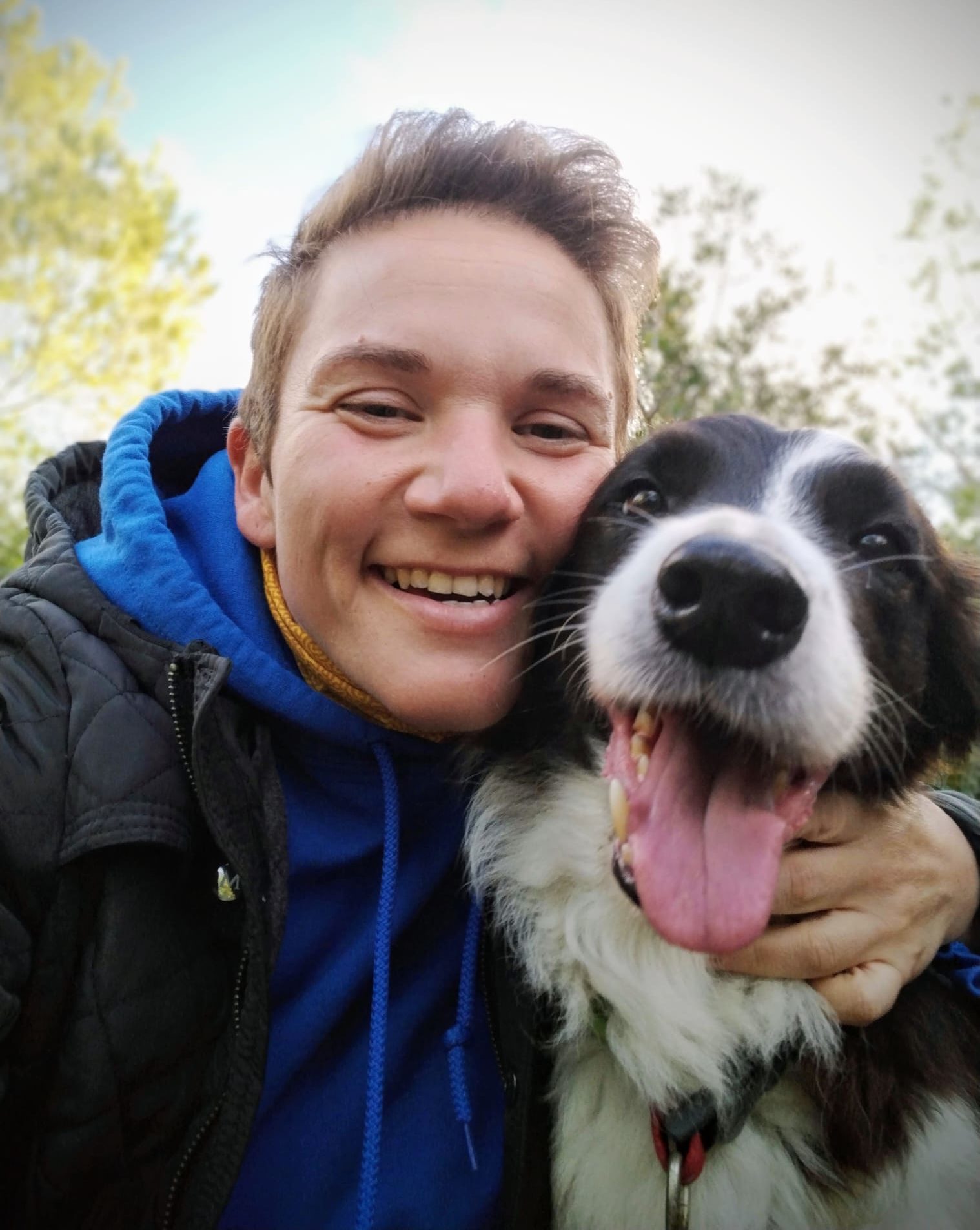
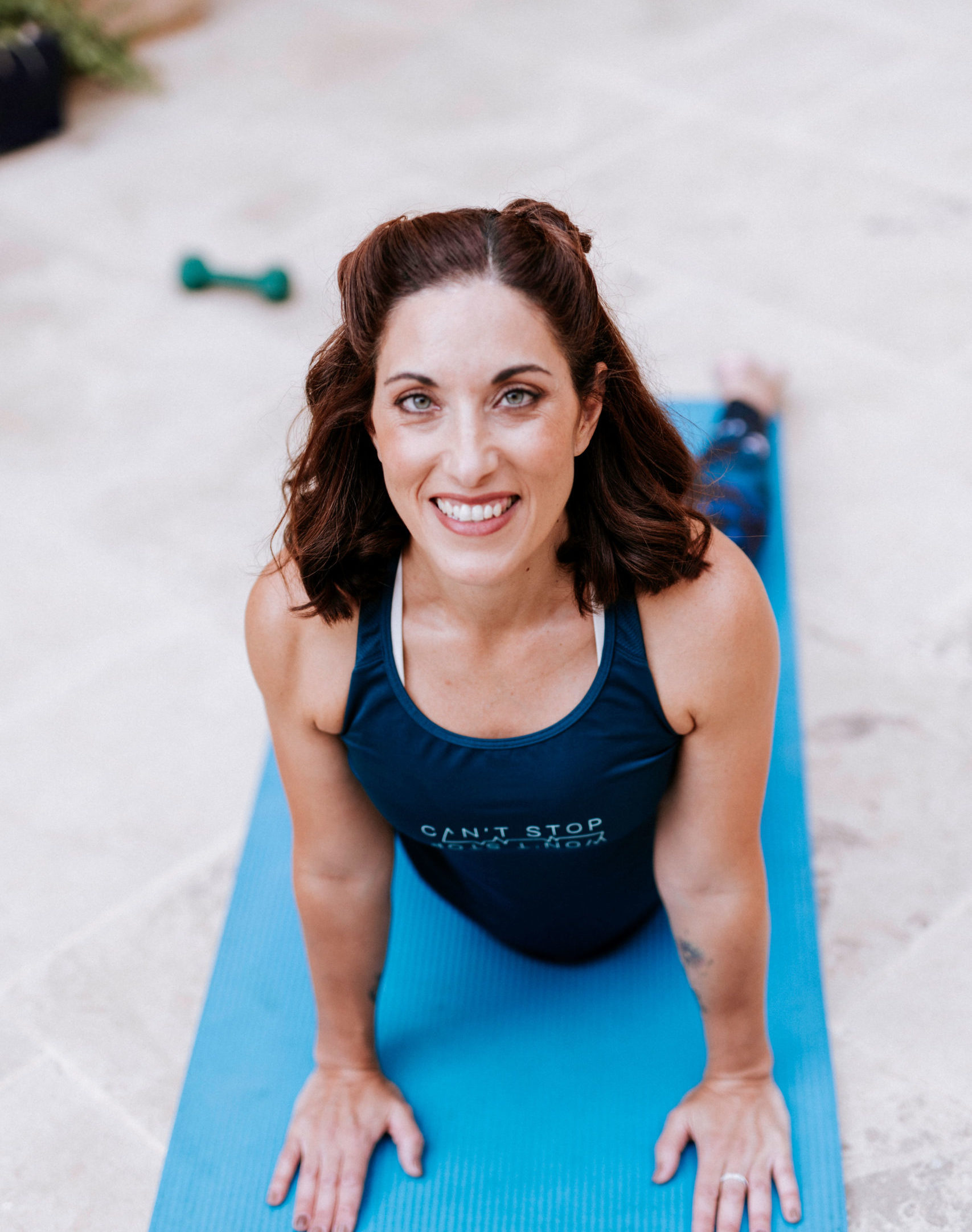
Left: Sephora Zammit (Health Coach) Right: Kenzie Sammut (The Wellness Zest, Health & Fitness Coach)
Personal lessons learned from changing professional direction
Our past work isn’t wasted in a pivot. It shows up elsewhere. Deea notes that one of the most surprising lessons about changing careers is that “in fact, you’re not starting from zero…all your experience from your past will help you so much in the new one.”
Mette has come to realise that her identity is not just the work itself but rather the HOW and WHY she does everything she does. “I love to create something new, bring visions to reality, challenge myself and learn new things so my entrepreneurial journey enables all of that.”
For many, success itself has been redefined. Claire puts it simply: “Success used to mean achievement and stability. Today, it means growth, balance, and giving life my all.”
“Running SPLAT! gives me a sense of fulfilment and connection that I didn’t have before. In my previous role, the impact I had on my clients was through a laptop screen. With SPLAT! I get to see people walk in one way and leave completely different,” Nickii shares.
Confronting fears, learning to regulate one’s feelings about leaving familiar territory, resilience, willingness to face uncertainty head-on… The paths of these women may be different but the universal thread running through them is trust. Trusting in oneself, in one’s work ethic, in the people around them. And above all, simply trusting in the process.
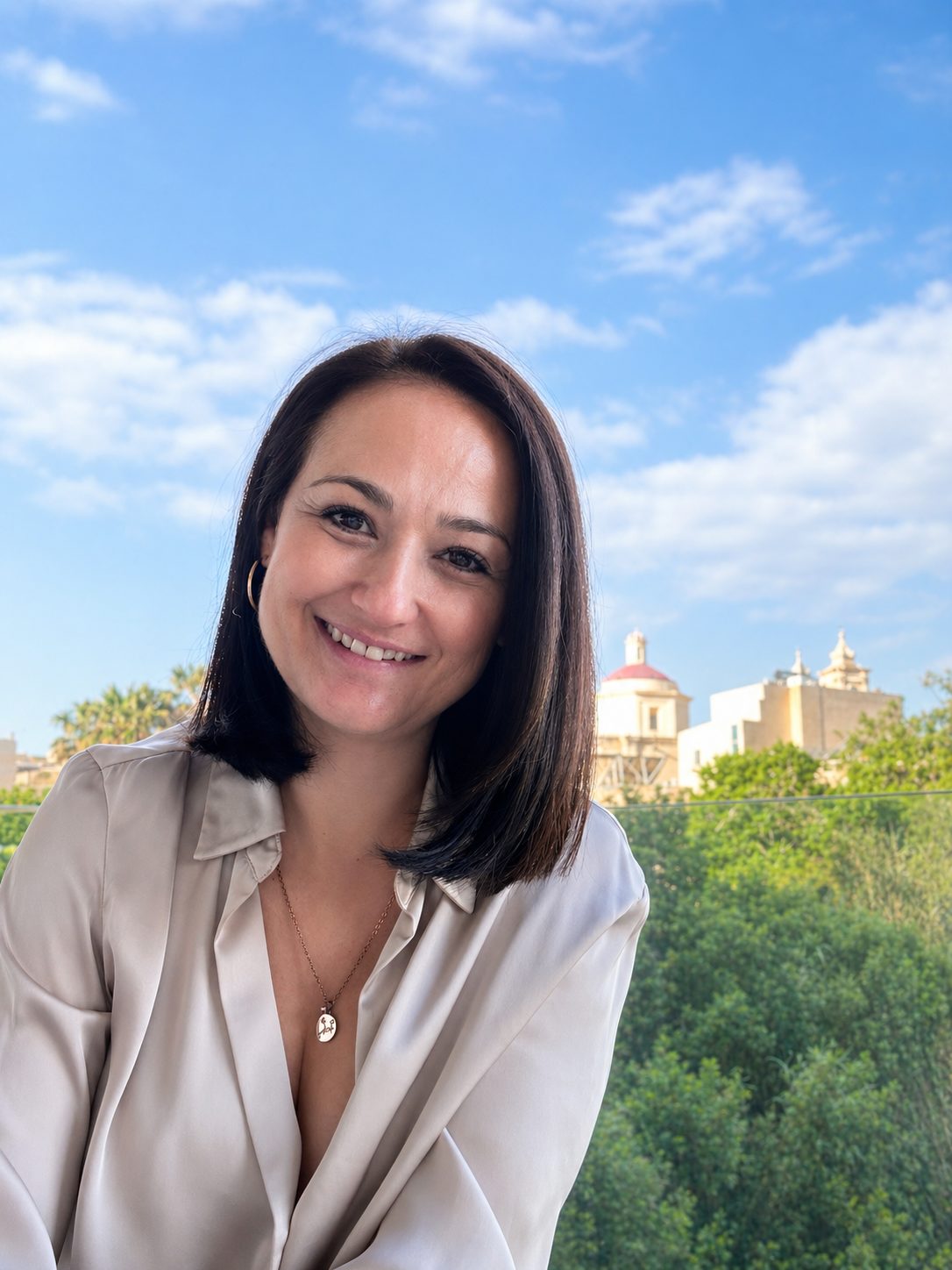
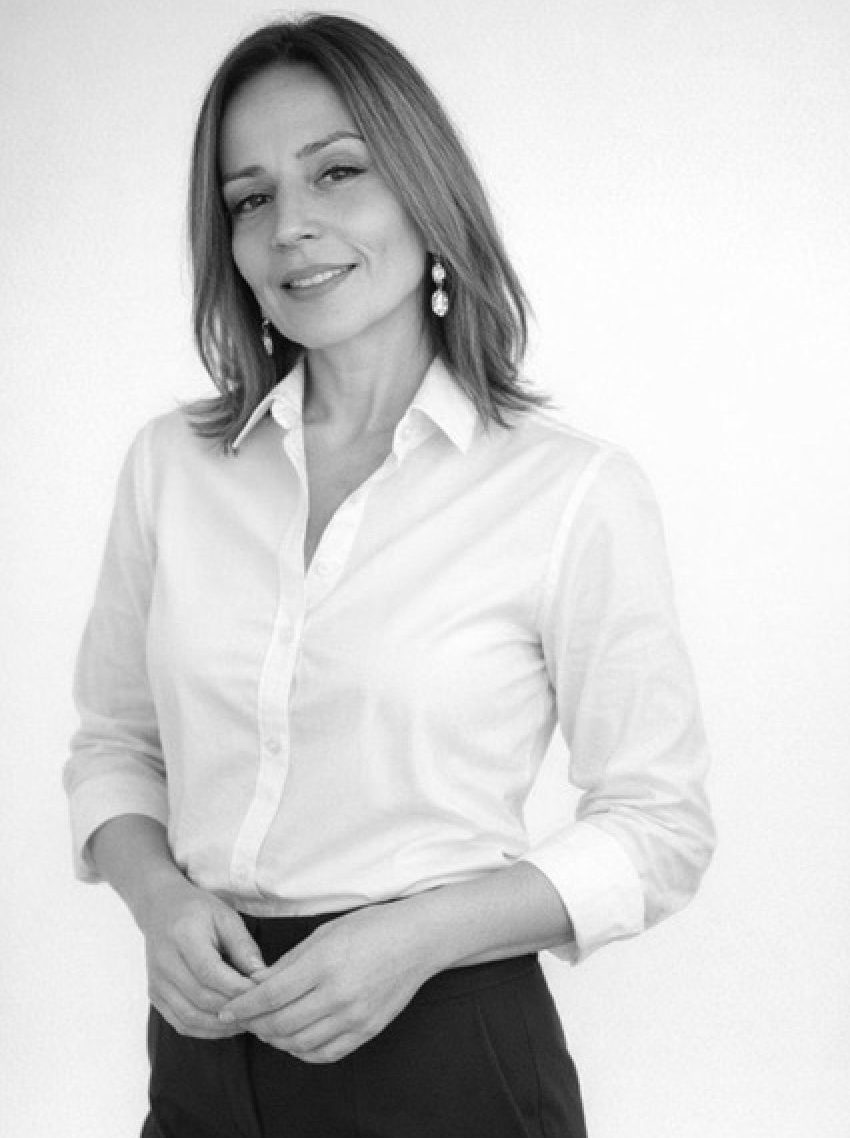
Left: Nickii Mallia (Co-Founder & Director of Operations & Digital Strategy at SPLAT! Malta) Right: Claire Galea (Property Consultant)
With thanks to:
Claire Galea, Property Consultant
Instagram | Facebook
“We have one shot but we can live many versions, and I know I am definitely not just one version.”
Deea Buzdugan, Visual Storyteller
Instagram 1 | Instagram 2
“ The only person that needs to be happy with your choices is yourself, not your family, not your friends, not anyone.”
Mette Lorenzen, Founder, Mettelina Gourmet Cupcakes, Coffee and Champagne
Website | Instagram
“My identity is not just my work, but how and why I do everything I do.”
Sephora Zammit, Health Coach
Instagram
“I learned I can have more than one identity and even merge them.”
Helen Chorley, Investor & Advisor
Website | Instagram | Linkedin
“You can’t hide behind a brand when you are the brand! I’ve had to own my voice, my visibility, and my value at a completely different level.”
Vivienne Bajada, The Blooming Bunch, Co-founder and Creative Director
“Giving myself permission to fail—and staying endlessly curious—has been key.”
Nickii Mallia, SPLAT! Malta, Co-founder, Director of Operations & Digital Strategy
Website | Linkedin | Instagram
“Building a business taught me that creativity thrives in a bit of chaos.”
Kenzie Sammut, The Wellness Zest, Health & Fitness Coach
Instagram
“The biggest reward is seeing the real impact on people’s lives.”
Pavla Borg, My Heroic Wellness, Mindset Coach & Breathwork Specialist
Website | Linkedin | Instagram
“Living in integrity with my values became more important than being understood or seeking approval.”
Stephanie Portelli, The Blooming Bunch, Co-founder and Creative Director
“I don’t miss the micromanaging and the postponed deadlines but I do miss my wonderful colleagues.”
If there’s one takeaway from all of this, it’s that there’s no single way to change direction and no perfect moment to do it.
But there is a common thread: the willingness to question what’s no longer working, and to choose something else anyway.
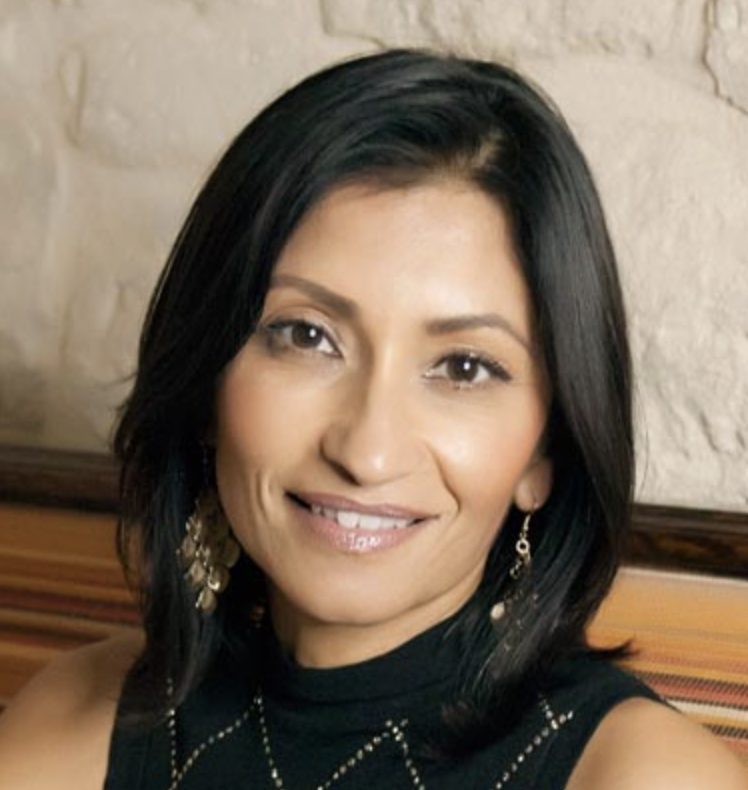
Written by: Prabjit Chohan-Patel
Prabs is a former Londoner/Parisian who left the bright city lights for sunny island life. She runs WriteContent.biz, a boutique editorial and copywriting service that helps micropreneurs and SMEs attract and engage their target audience with words that work. Prabs is a fluent French speaker, keen cake-decorator, on–off runner, and the award winning writer of AbsolutelyPrabulous.blog. Helping businesses tell their story is her happy place. So are Malta’s hiking routes and turquoise waters.
Sorry, the comment form is closed at this time.